
Investor Outreach
Is Email or LinkedIn the Best Platform to Pitch Investors?
We reveal the investor outreach platform with the higher response rate.

Loading
Learn the strategic, two-path system (Warm vs. Cold) founders use to get read.
Ariana Amirkhanian

Warm introductions outperform cold outreach by orders of magnitude, with conversion rates of 40-60% for warm intros versus 1-5% for cold emails, because they carry implicit endorsement from someone the investor already trusts. The most successful founders spend the majority of their time systematically mapping and activating their existing networks rather than mass-emailing cold prospects. Your network is more powerful than you realize; the key isn't acquiring tons of new contacts but uncovering hidden connection paths through your team's collective relationships, former colleagues, classmates, and even semi-warm connections from industry events.
Cold outreach should be your fallback strategy, reserved only for high-priority investors where absolutely no warm path exists, and even then it requires ultra-targeted personalization and a complete, compelling pitch delivered in under 60 seconds. The fundraising game isn't about volume; it's about strategically activating relationship leverage to turn every possible cold target into a warm opportunity through systematic network analysis and gradual connector activation.
The most successful founders spend the majority of their time on warm outreach because everyone has a network more powerful than they know. The key to winning is not acquiring ton of new contacts, but systematically activating the leverage in your existing relationships.
The best outreach is the one where the relationship already exists. This covers your true warm connections – former classmates, industry peers, or even those you know from a non-professional context.
The most scalable and effective warm outreach is the warm introductions (Intros). Founders often fail here because they limit their search to their immediate colleagues. Your friend from high school or your co-founder's previous investor might be the strongest link to your target fund.
The Flowlie Discovery Agent is built precisely for this. By analyzing your entire team's network, the platform identifies the best and shortest paths to get in touch with your perfect investor, revealing powerful intros you didn’t know existed.
If a warm path doesn't exist, you default to cold outreach. When an investor receives a cold email, their immediate assumption is low relevance. Your single main rule must be to respect their time.
The mindset here is simple: provide a complete, irresistible piece of due diligence that can be processed in under 60 seconds.
| Outreach Type | Core Goal | Length/Format | Investor Action |
| Warm Outreach | Establish a mutual connection to facilitate a conversation. | Short, peer-to-peer message from a trusted intermediary. | Takes the meeting based on the Intro source's credibility. |
| Cold Outreach | Provide a compelling reason to engage without a trusted intermediary. | Ultra-short, factual, and data-rich. | Downloads and reviews your document; saves your contact. |
Your cold email must be straight to the point: Be short, but be 100% complete.
A truly warm connection is someone who knows you well enough to credibly vouch for your capabilities and would feel comfortable putting their reputation on the line by introducing you. This typically includes former colleagues who worked closely with you, classmates from university or accelerator programs, advisors actively involved in your venture, co-investors in previous rounds, or personal friends with professional context about your work. Semi-warm connections, like someone you met once at a conference or connected with on LinkedIn but never worked with, require a different approach. Don't ask semi-warm connections for introductions immediately; instead, warm them up by engaging with their content, sharing relevant insights, or finding reasons to interact professionally before making the ask.
Make introduction requests effortless and low-risk for your connector by providing everything they need in a single email. Include a 3-4 sentence forwardable blurb they can send directly to the investor, explain specifically why this particular investor is a strong fit based on their thesis and portfolio, and demonstrate you've done your homework so they're not introducing you to someone obviously wrong. Thank them for spending their social capital and acknowledge that introductions carry weight. Poor introduction requests that ask connectors to write their own message, fail to explain why the investor is relevant, or target obviously poor fits will make your connector hesitant to help you again. Always follow up with both parties after an introduction is made to show gratitude and professionalism.
Start by listing all your target investors, then systematically check each team member's LinkedIn connections, alumni networks from universities and previous employers, advisors' networks, existing investors' portfolios and relationships, and accelerator or program cohort members. Most founders discover powerful paths they didn't know existed by expanding beyond their immediate circle. Tools like Flowlie's Discovery Agent automate this process by analyzing your entire team's network to identify the best and shortest paths to target investors, revealing connections through your co-founder's former colleague or your advisor's portfolio company CEO that you would never find manually. The key is being systematic rather than relying on memory about who knows whom.
Yes, but approach semi-warm connections as professional peers, not close friends. Reference the specific event where you met, recall a particular insight they shared or topic you discussed, and acknowledge you're reconnecting after brief contact rather than pretending you're old friends. Open with professional language like "We met at [Event] where we discussed [Topic]" rather than overly casual "Hey, great catching up at that event!" If you only exchanged business cards without substantive conversation, that's closer to cold outreach with a minor warmth factor. The event connection gives you permission to reach out but doesn't automatically create a relationship strong enough for informal asks.
Ask for introductions gradually, starting with your strongest relationships and spreading requests over time rather than blasting your entire network simultaneously. Making 5-10 targeted introduction requests per week to your best connectors is more effective than asking 50 people at once. This approach prevents request fatigue among your connectors, gives you time to manage resulting conversations without overwhelming your calendar, allows you to refine your approach based on early feedback, and preserves your network for future rounds if this one doesn't close. Quality and timing matter more than volume when activating your network.
If someone agrees to make an introduction but doesn't follow through within a week, send a friendly reminder with the forwardable blurb you provided initially, making it as easy as possible for them to act. If they still don't follow through after a second gentle nudge, gracefully move on without burning the relationship. Some people genuinely forget due to busy schedules, while others agree to introductions they're not actually comfortable making. Accept that not every committed introduction will materialize and maintain enough parallel paths that one delayed intro doesn't derail your entire fundraising timeline. Never make your connector feel guilty; instead, thank them for considering it and leave the door open for future help.
For investors who passed due to stage fit rather than fundamental concerns, send quarterly updates highlighting major milestones like revenue growth, key hires, product launches, or significant customer wins. Keep updates to 3-4 sentences with one clear metric or achievement. These updates keep you on their radar for when you raise your next round or when your traction reaches their threshold. However, if an investor passed on the business fundamentals or gave feedback suggesting they don't believe in your approach, move on entirely. Don't waste energy trying to convince someone who already decided your company isn't for them. Focus relationship maintenance on investors who genuinely believe in your potential but couldn't invest for circumstantial reasons.
Keep cold emails to 3-4 sentences maximum, totaling under 100 words. The structure should be: one sentence clearly stating what you're building and for whom, one sentence providing your most impressive metric or unique insight, and one sentence stating what you're raising with a specific low-friction ask like "available for a 15-minute call next week?" Every additional sentence reduces your response rate because investors are filtering hundreds of emails for relevance signals they can process in under 60 seconds. Lengthy emails signal you don't respect their time or can't communicate concisely. Save detailed explanations for your deck or the actual meeting.
Never attach files to cold emails; use trackable links instead. Attachments create friction, trigger spam filters, and give you no visibility into whether the investor actually opened your materials. Use DocSend, Flowlie, or similar platforms that provide view tracking, showing you when investors open your deck, how long they spend on each page, and whether they shared it with colleagues. This engagement data tells you who to prioritize for follow-up and when to reach out. Include the link naturally in your email rather than making it the focus: "Here's our deck: [link]" after your 3-sentence pitch, or mention "happy to send our deck" and provide it when they respond with interest.
Send exactly one follow-up 5-7 days after your initial outreach, then move on if you don't hear back. Frame your follow-up by adding new information rather than just "checking in": "wanted to resurface this as we just hit [specific milestone]" or "following up as our round is filling quickly and we're targeting close by [date]." If you have view tracking data showing they opened your materials, reference that: "saw you checked out our deck, happy to answer any questions." Never send three, four, or five follow-ups; this damages your reputation and signals desperation. If an investor is interested, they'll respond to one or two well-timed messages. Silence after two attempts is a clear pass.
Strong warm introductions typically convert at 40-60% to first meetings, meaning if you get 10 quality warm intros, you should secure 4-6 first meetings. If your conversion rate is significantly lower, the issue is likely introduction quality (your connector doesn't have enough credibility with the investor), poor targeting (the investor doesn't actually invest in your space), or weak initial messaging after the introduction is made. Track your conversion rates by introduction source to understand which connectors provide the highest-quality intros. Some relationships carry more weight than others; an intro from a portfolio founder the investor backed will always convert better than an intro from someone who vaguely knows the investor.
Yes, but space them out strategically and prioritize your requests. Ask your strongest connector for an introduction to your highest-priority investor first, wait to see the outcome, then return for additional intros after 2-3 weeks if the relationship remains strong. Don't dump a list of 15 investors on someone and ask for bulk introductions; this exhausts their social capital and makes each individual intro less credible. Most connectors are willing to make 3-5 introductions over several months for founders they really believe in, but asking for too many too fast signals you're not being strategic about targeting. Quality connectors appreciate when you're selective and thoughtful about who you ask to meet.
When you discover multiple paths to the same investor, choose the strongest connection with the most credibility. An introduction from someone who worked directly with the investor or a portfolio founder they backed carries infinitely more weight than an introduction from a mutual LinkedIn connection. Evaluate relationship strength, professional context, and how recently they've interacted. Never ask multiple people to introduce you to the same investor simultaneously; this creates confusion and makes you look uncoordinated. If your first-choice connector can't or won't make the introduction, then activate your second-best path. Having multiple paths gives you optionality but requires strategic sequencing rather than parallel activation.
If you've systematically mapped your entire team's network and found zero paths to key investors, you have three options. First, build relationships with connectors who can introduce you by engaging with their content, attending events where they'll be, or offering value through your expertise. Second, expand your network proactively by joining relevant accelerators, industry associations, or founder communities where investors participate. Third, resort to highly targeted cold outreach to your absolute highest-priority investors while continuing to build your network for future rounds. Remember that warm paths aren't always obvious; your co-founder's college roommate might work at a portfolio company, or your advisor might have shared LP connections with your target fund.
Provide enough detail that your connector understands exactly what you're building, why this specific investor is a strong fit, and can confidently vouch for the connection being worthwhile. Include your one-line company description, your strongest traction metric, the specific reason this investor is relevant based on their portfolio or thesis, and a 3-4 sentence forwardable blurb they can send directly. Don't send your entire pitch deck or ask them to review extensive materials before deciding whether to introduce you. Most connectors will make introduction decisions based on their trust in you and the apparent fit, not by doing extensive diligence on your company. Make it easy, clear, and specific so they can act quickly with confidence.
Like sales, successful fundraising requires a process. It demands discipline and consistent tracking. We know that building and executing this system takes serious time, so we hope this proven advice helps you accelerate your search and connect with the right partners. And if you are ready to level up your fundraising execution, check out Flowlie. From busy founders to busy founders.
Join thousands of founders using our technology to find the right investors and close rounds faster than ever before.
We reveal the investor outreach platform with the higher response rate.

Learn the exact hierarchy of investor introductions, when to use warm intros versus cold email, and the proven outreach strategies that actually get meetings with the right investors.

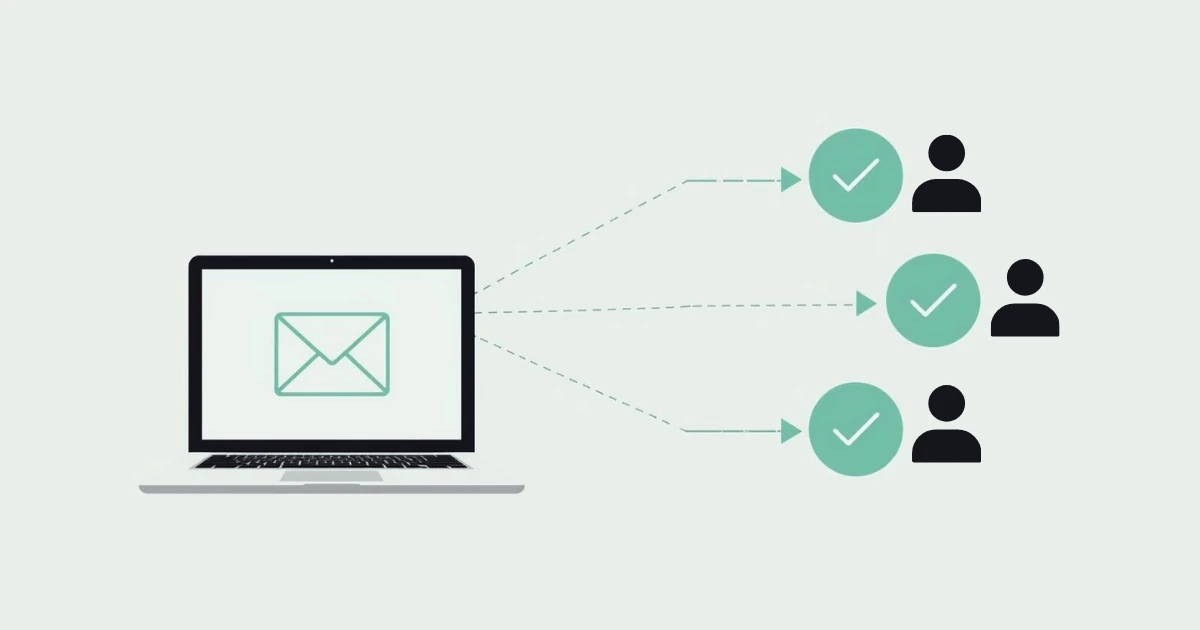
Get the complete investor outreach flow: exactly how to find the right connector, when to send the pitch, and the crucial cadence for following up when VCs go silent.