
Investor Outreach
Is Email or LinkedIn the Best Platform to Pitch Investors?
We reveal the investor outreach platform with the higher response rate.

Loading
Get the complete investor outreach flow: exactly how to find the right connector, when to send the pitch, and the crucial cadence for following up when VCs go silent.
Ariana Amirkhanian
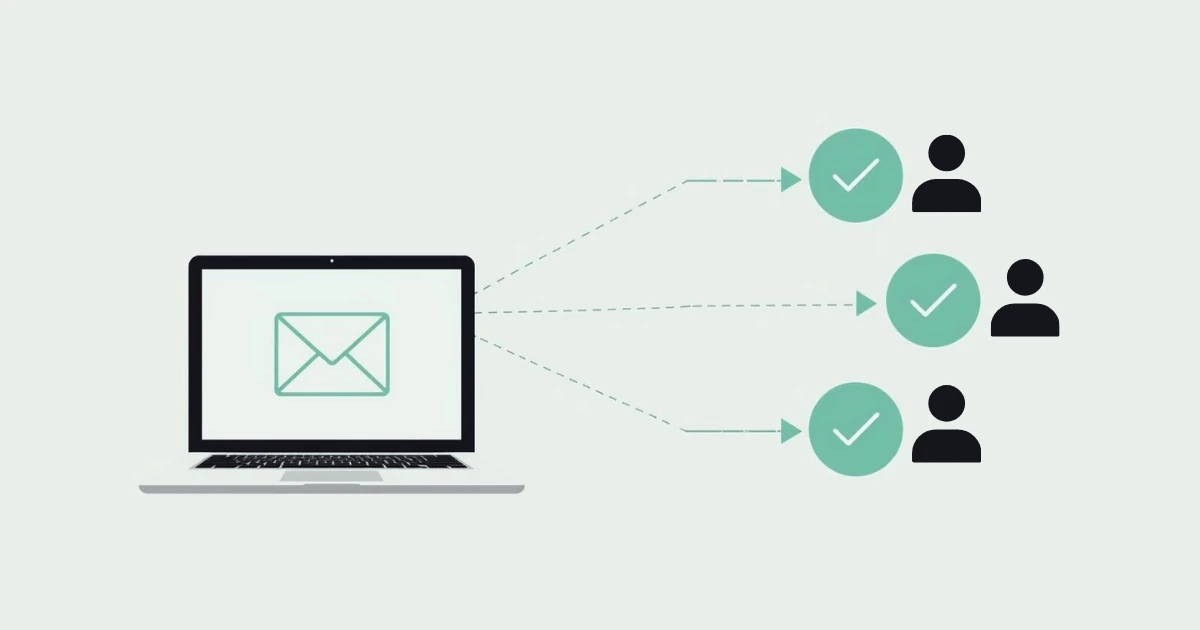
Every founder knows that cold outreach to a VC is only slightly more effective than screaming into a well. It’s Plan C, reserved only for when Plans A and B have failed. The only scalable path to securing meetings with top-tier VCs is the warm introduction. But this process equires strategy, data, and efficiency.
Getting a warm introduction to an investor requires identifying a connector who has both a strong relationship with the target investor and a strong enough relationship with you to risk their reputation making the introduction. The process starts with systematic network mapping to find connectors who share meaningful history with your target investor, such as former co-workers, co-investors on recent deals, or founders they have board seats with, rather than random LinkedIn connections. You then evaluate your own relationship strength with potential connectors, prioritizing those in your inner circle who know you well enough to vouch for you credibly.
The actual ask follows the double opt-in rule: first request permission from your connector, then provide a perfectly drafted forwardable message they can copy-paste-send to the investor without doing any work themselves. Tools like Flowlie's Discovery Agent automate this discovery process by analyzing shared deals, portfolio overlaps, and relationship history to surface hidden paths and score connection strength, dramatically reducing the manual research time while ensuring you ask the right person the first time rather than burning through your network inefficiently.
You don't. Your network does.
A warm intro isn't just a convenience, it's a filtration system. It tells the investor two things immediately:
If you can't find a warm path, you haven't done enough work on your target list. Your time is best spent finding a great connector & expending your network, not drafting another generic email.
A successful introduction requires a connector who satisfies two equally important criteria. A path is only strong if it passes both filters.
The goal is to find a connector who shares a strong history with your target investor. This isn't just about being connected on LinkedIn – it’s about having a relationship that can withstand spending social capital.
Weak Signal: Random LinkedIn connection or someone they haven't spoken to in three years.
Strong Signal: Former co-worker, co-investor on a recent deal, or a founder they have a board seat with.
This is where network mapping tools earn their keep. Flowlie's Discovery Agent analyzes your target investor's history – shared deals, portfolio overlap, and former colleagues – to surface these hidden paths. It scores the relationship strength based on shared history (and many more criterias).
This is the most critical constraint: The connector must know you well enough to risk their reputation. If the connector doesn't know you, the introduction request fails – even if their relationship with the investor is rock-solid. This is why Flowlie classifies your network into strategic circles based on your relathionship strength with the connector:
Inner Circle: These are your top supporters, they vouch for you and are willing to make introductions.
Outer Circle: These are the connections you are less close with but may still leverage for intros.
Distant Circle: This is the largest portion of your network. Discover intros to your best fit investors and identify who in your distant network is a super-connector. Then, build a relationship with them and eventually ask for introductions.
You should always activate a high-scored connector who falls into your Inner Circle or a highly relevant Outer Circle member first. This means you ask the right person the first time.
The Rule: Ask the person with the strongest relationship to you who also has a strong relationship to the investor.
The single biggest mistake is making the connector do the work. Your job is to make the introduction request frictionless for your connector.
You must follow the Double Opt-In rule:
Ask Permission: You first email the connector, asking if they are comfortable making the introduction.
Provide the Forwardable: In that initial email, you include a separate, perfectly drafted message the connector can literally Copy, Paste, and Forward to the investor.
Subject: {Company_Name} ({Location}) {Round_Type} Round | {solution_type} | {user_count} users
Hey {First_Name},
Thanks for offering to connect me to {Fund_Name} - we think they're a great fit given their clear focus on {their_focus_areas} / investments in {their_portfolio_companies}. Here's a quick blurb you can pass along:
–
{Company_Name} has built and efficiently scaled {unique_value_prop}.
We've scaled to ${monthly_revenue} in monthly revenue, {profitability_status}, and {user_count} with {growth_achievement}.
Other highlights:
• {Key_differentiator_1}
• Led by {founder_credentials}: {Founders_backgrounds}
• ${TAM_size} TAM with {expansion_opportunity}
We're raising our {Round_Type} to {use_of_funds_1}, {use_of_funds_2}, and {use_of_funds_3}.
More info in our one-pager/deck [{flowlie_one_pager_link}] - let me know if you'd like to schedule a call [{calendar_link}].
Flowlie Advantage: Our tools help you with this crucial first step by pre-drafting the intro request email for you, ensuring the tone is right and all potential targets are included.
When You're Ready: Only ask when your materials are finalized, your metrics are locked, and you can immediately take the meeting if it happens.
Once the connector agrees, the process moves fast.
The "Opt-In" Email: Your connector sends the drafted email to the investor.
Investor Response: If the investor says, "Yes, please introduce us," they are "opting in."
Your Move: The moment the connector makes the introduction, reply immediately. Thank the connector, move them to BCC, and propose specific meeting times to the investor (e.g., "Are you free next Tuesday at 2pm or Wednesday at 10am PT?").
Moving the connector to BCC is mandatory. It signals that their job is done and protects their inbox.
Silence doesn't mean "no," but it doesn't mean "yes" either. It usually means "I am busy, and you are not an urgent priority."
They are likely busy, or they aren't comfortable making the introduction (and feel awkward telling you no).
✍🏻 Example: "Hi, just circling back on the intro request for///. No worries if the timing isn't right, just wanted to check in!"
✍🏻 Example: "I'll take the intro off your plate. Thanks anyway! Let's catch up soon."
You were introduced, you replied, you proposed times... and crickets.
Your relationship with a connector is strong enough if they know your work well enough to vouch for your capabilities and would feel comfortable spending their social capital on your behalf. Strong connectors include former colleagues who worked closely with you, classmates from meaningful programs, advisors actively involved in your venture, investors who've already backed you, or personal friends with professional context about your abilities. Weak connections include people you met once at events, LinkedIn connections you've never worked with, or contacts who wouldn't immediately remember who you are. The test is simple: would this person feel comfortable putting their reputation on the line by introducing you? If you hesitate or think "maybe," the relationship probably isn't strong enough yet and you should either warm it up further or find a different path.
When you discover multiple paths to the same investor, choose the connector with the optimal combination of strong relationship to you and strong relationship to the investor. The ideal connector is someone in your inner circle who also has deep history with the investor, such as a close friend who's a portfolio founder the investor backed. If you must choose between a weak personal relationship with strong investor connection versus strong personal relationship with weak investor connection, prioritize your side of the relationship. A connector who knows you well but has moderate investor connection will make a more credible introduction than someone with perfect investor access who barely knows you. Never activate multiple connectors simultaneously to reach the same investor; this looks uncoordinated and wastes social capital.
Your forwardable message should be 150-200 words maximum, structured as 4-5 short paragraphs that take under 60 seconds to read. Include your company name and what you've built, your strongest traction metric showing growth or scale, 2-3 key differentiators or highlights in bullet format, what you're raising and general use of funds, and a clear next step with links to your materials and calendar. The goal is giving the investor enough information to decide whether to take the meeting without overwhelming them with details better saved for the actual conversation. Remember this message will be forwarded verbatim, so write it in third person or neutral tone that makes sense coming from your connector rather than directly from you.
Ask for introductions gradually rather than all at once, typically requesting 3-5 introductions per week spread across your strongest connectors. This approach prevents overwhelming any single connector with multiple requests, gives you time to manage resulting conversations without calendar chaos, allows you to refine your materials and messaging based on early feedback, and preserves network capacity for follow-up asks if initial intros don't convert. However, if you have one exceptional connector with access to multiple relevant investors, it's appropriate to ask them for 2-3 introductions in a single request as long as you're clear about why each investor is specifically relevant. Space requests to different connectors by a few days to maintain sustainable momentum without burning through your entire network in one week.
Warm up distant or outer circle connections by providing value and rebuilding context before making introduction requests. Engage meaningfully with their content on LinkedIn or Twitter, share relevant insights or articles in their area of expertise, offer to make introductions that help them using your network, request their feedback on a specific challenge you're facing, or schedule a brief catch-up call focused on their current work before mentioning your fundraise. The warming process typically takes 2-4 weeks of periodic engagement before making introduction requests. Never send a "haven't talked in years but can you introduce me to..." message; this immediately signals you only value the relationship transactionally and dramatically reduces your chances of getting quality introductions.
If your connector makes an introduction that's poorly executed, such as a vague message without context or introducing you to the wrong person at a fund, respond professionally and try to salvage the situation without blaming the connector. Thank them genuinely for making the introduction, then reach out to the investor with additional context that addresses the gaps: "Thanks to [Connector] for the introduction. To provide more context..." followed by a crisp explanation of what you're building and why this investor specifically is relevant. If the intro went to the wrong person, politely ask that person if they can redirect you to the appropriate partner for your sector or stage. Never criticize your connector publicly or to the investor, as this burns the relationship and makes you look ungrateful.
Always close the loop with your connector by updating them on introduction outcomes, whether positive or negative. After you secure a meeting, send a brief "thank you" message letting them know the intro worked and you're meeting with the investor. After the investor makes a decision, inform your connector whether they passed or invested, particularly if the outcome is positive since this reinforces their decision to help you. These updates maintain the relationship for future rounds, show respect for their social capital investment, and increase the likelihood they'll make additional introductions for you or other founders. Keep updates brief and factual; connectors don't need play-by-play of every conversation, just the ultimate outcome.
If systematic network mapping reveals zero warm paths to critical investors, you have three strategic options. First, identify who in your extended network is a "super-connector" with access to multiple target investors and invest time building relationships with those individuals specifically. Second, expand your network proactively by joining relevant accelerators, industry associations, or founder communities where your target investors participate. Third, create your own warm paths by engaging publicly with investor content, building relationships with their portfolio founders who could make future introductions, or attending events where they're speaking. Treat warm path development as a medium-term strategy requiring 1-3 months rather than expecting instant access, and use highly targeted cold outreach to highest-priority investors only while building your network infrastructure.
Prioritize introduction requests based on investor fit score combined with path strength rather than investor prestige alone. Target investors who invest specifically in your stage, sector, and geography with strong recent activity in your space, where you have high-quality warm paths through credible connectors. Starting with your best-fit investors who have strong connection paths maximizes your early conversion rate, builds momentum and social proof when those investors show interest, and preserves your highest-prestige investor targets for later in your process when you have more traction to report. Many founders make the mistake of burning their best connections on stretch targets too early, leaving them with weak paths to realistic targets when those long-shots predictably pass.
Well-executed warm introductions through strong connectors convert to first meetings at 40-60% rates, dramatically higher than cold outreach's 1-5% rates. However, conversion rates vary based on connector-investor relationship strength, how well you've targeted investor fit, quality of your forwardable message, and overall market conditions. Introductions from portfolio founders the investor backed convert at 60-70%, while introductions from moderate connections convert at 30-40%. If your conversion rate is below 30% after 10+ warm intros, the issue is likely poor targeting, weak connector relationships, or messaging that doesn't resonate. Track your conversion rates by connector type and investor category to understand what's working and adjust your strategy accordingly.
Wait 3 business days before sending your first follow-up if the investor hasn't responded to your initial message proposing meeting times. Professional investors typically respond within 24-48 hours if genuinely interested, so 3 days gives them reasonable time while keeping your outreach timely. If your first follow-up gets no response, wait another 3-4 days before privately asking your connector for a "backchannel" check-in with the investor. As a final attempt after 5-7 more business days, send one closing-the-loop email sharing a new milestone and explicitly asking for a pass if they're not interested. Never send more than 2-3 total follow-ups; excessive persistence damages your reputation and signals you don't understand professional norms.
A genuine written thank-you immediately after the introduction is mandatory; a gift is optional and depends on your relationship and the outcome. Send a brief, sincere message thanking them for spending their social capital on your behalf as soon as they make the introduction. If the introduction leads to investment, a thoughtful gift appropriate to your relationship level is a nice gesture but not required. Many founders send modest gifts like nice coffee, books relevant to the connector's interests, or handwritten notes. Avoid expensive gifts that feel transactional or create obligation. The most important "thank you" is closing the loop on outcomes and offering to help them with introductions or other support when opportunities arise.
If an investor responds positively to your forwardable message before your connector completed the double opt-in process, treat this as a win and proceed professionally. Thank your connector for making the introduction, immediately respond to the investor with proposed meeting times, and move forward with the conversation. The double opt-in is a best practice that respects investor preferences, but if the investor engages despite the process being skipped, they've effectively opted themselves in. Don't overthink process adherence when the desired outcome has occurred. Focus on converting the opportunity into a productive meeting rather than worrying about whether the exact protocol was followed.
Maintain connector relationships through periodic low-effort engagement that keeps you on their radar without being burdensome. Engage with their LinkedIn posts or content thoughtfully a few times per month, share articles or insights relevant to their interests occasionally, offer to make introductions that help them using your network, and send brief quarterly updates on your company's progress if they've expressed interest in following your journey. The goal is staying present without being transactional, so they remember you positively when you eventually need to activate them for introductions. Avoid the mistake of only reaching out when you need something; this makes the relationship feel one-sided and reduces willingness to help.
Yes, high-quality connectors who helped you successfully in previous rounds are often willing to make introductions again, especially if you kept them updated on outcomes and the previous introductions led to positive results. However, space these requests across rounds with at least 12-18 months between major asks, update them meaningfully on your progress since they last helped, be even more selective about which investors you ask them to introduce you to rather than treating them as an unlimited resource, and always offer reciprocal value by helping them with their network needs. Connectors who see that their previous introductions led to successful investments and that you're a thoughtful, successful founder are usually happy to help again. Those who felt their social capital was wasted because you weren't ready or targeted poorly will be hesitant to help a second time.
The warm introduction is a sequence of small, respectful actions. Your job as a founder isn't just to pitch. You need to master the diligence process. Use data and network intelligence to find the right path, and use precision in your communication to get the meeting.
Check the power of warm intros yourself. Try our free 7-day trial.
Join thousands of founders using our technology to find the right investors and close rounds faster than ever before.
We reveal the investor outreach platform with the higher response rate.

Learn the exact hierarchy of investor introductions, when to use warm intros versus cold email, and the proven outreach strategies that actually get meetings with the right investors.


Learn the strategic, two-path system (Warm vs. Cold) founders use to get read.