

Investor Outreach
Is Email or LinkedIn the Best Platform to Pitch Investors?
We reveal the investor outreach platform with the higher response rate.

Loading
Learn the exact hierarchy of investor introductions, when to use warm intros versus cold email, and the proven outreach strategies that actually get meetings with the right investors.

Vlad Cazacu

The most effective way to reach Series A investors is through warm introductions, prioritized in this order: (1) existing investors in your company, (2) founders in the investor's portfolio, (3) mutual connections like advisors or accelerator contacts, and (4) cold outreach as a last resort. Warm introductions from your existing investors and portfolio founders convert at 10-15x higher rates than cold emails, which typically see only 2-4% response rates. Before sending any outreach, systematically map your network to identify warm introduction paths – most founders have access to 200+ warm paths they don't realize exist through second and third-degree connections.
The Critical Hierarchy: Not all warm introductions are equal. An introduction from your current investor carries significantly more weight than one from a distant LinkedIn connection because they have capital at stake and their reputation on the line. Portfolio founders come next because VCs trust their judgment implicitly and maintain ongoing relationships with them. Other connections – alumni networks, advisors, customers – still outperform cold outreach but carry less credibility than the top two tiers.
When Cold Outreach Works: If you must go cold, keep it under 15 seconds to read: one line of personalized research (reference their recent investment or thesis), 1-2 sentences explaining what you do in layman's terms, 2-3 bullet points of traction, and a clear ask with basic round details. Your goal is a meeting, not an investment. Nobody closes a deal from a first email – you're optimizing for 30 minutes on their calendar.
Reality Check: Expect 4-6 meetings plus email back-and-forth before getting a term sheet, typically taking 4-8 weeks per investor. This is why you need parallel processes with multiple investors simultaneously. The typical journey includes an intro call, deep dive meeting, partner meeting, diligence phase, and term sheet negotiation. Founders who successfully raise aren't necessarily those with the best companies – they're the ones who understand that fundraising is a systematic process with clear conversion metrics at every stage.
Here's everything you need to know about investor outreach that actually converts:
Ideally, you would get to all your target investors via some form of warm intro path. You want to figure out a mutual connection between you and that target investor, and see if they're willing to make that intro on your behalf - if they're willing to use some of their social capital to bridge that introduction.
But here's what most founders miss: not all warm intros are the same. The strength of an introduction varies dramatically based on who's making it and what their relationship is to the investor.
These are the strongest intros you can get, bar none.
Why they work:
If you have existing investors, they should be your first call when building your target list for the next round. They know the ecosystem. They know who invests at your stage. And most importantly, they want you to close your round so their investment increases in value. Build your target list and do the pre-work to understand who they're likely to be connected to so you can share a subset of your Target List with them and ask for introductions.
If you're connected to founders who've raised capital from your target investors, these intros are gold.
Why they work:
This is why founder networks, accelerator cohorts, and startup communities are so valuable. You're not just building friendships – you're building access to future funding rounds through the people who've already navigated the path you're on.
Note: this all holds true assuming the founder is well regarded by the investor. Even if they failed, they may still be a good source, but if their relationship was transactional or frayed at any point, they will not be a good introduction source. Founders will generally be very open about this and their level of relationship with their investor.
Alumni networks, accelerator connections, mutual friends, advisors, customers, partners – these all work, but they carry less weight than the top two tiers.
Why they still matter:
Cold outreach should be used primarily as a Plan B if you're not able to get an intro to a particular investor or firm.
The reality:
When to use it:
There's nothing wrong with cold outreach. Just know what you're signing up for: lower response rates and longer timelines. But if you're going to do it, make it count.
Do not ask an investor who passed on you to introduce you to other investors, with one exception.
The exception: If they passed because they structurally cannot invest in your company (due to stage, industry, geography, etc.), then the introduction doesn't contain the usual negative signalling.
The rule: If they passed because they didn't believe in your business, team, or market, asking them to introduce you is setting yourself up for failure. You're asking someone who judged you unworthy of their capital to vouch for you to their peers. It never works to your advantage.
If you need to go cold, do it thoughtfully. Keep it very brief, concise, but also incredibly clear.
You may be pitching the most complex, revolutionary technology that ever existed. But if you're not able to explain to a person over the course of two sentences what it is you're actually doing - without all the fluff about what it could be - you've already started at a disadvantage. People who don't understand can't (and won't) make a decision. Your note will get lost in the void.
1. Personalized Hook (1 line)
Show you've done research on them specifically. Reference a recent investment, a podcast they were on, a thesis they wrote about. Make it clear this isn't a mass email.
2. What You Do (1-2 sentences)
Explain your company in the most layman's terms possible. If your grandma wouldn't understand it, rewrite it.
Bad: "We're building a vertically-integrated, AI-powered SaaS platform that leverages machine learning to optimize enterprise workflows."
Good: "We help logistics companies reduce delivery times by 30% through route optimization software."
3. Proof Points (2-3 bullets)
This is your time to sell. Share traction, inflection points, key metrics – whatever demonstrates momentum.
Examples:
4. The Ask (1-2 sentences)
Provide basic round details: stage, amount, milestone, timing.
"We're raising a $4M seed round to get to $3M in ARR by EOY 2026."
Keep it under a 15-second read. That's the max amount of time people will spend reading your email.
Your goal is a meeting, not an investment. Nobody got an investment from a first email. You're optimizing for step one: getting 30 minutes on their calendar.
No lengthy explanations or attachments. If they're interested, they'll ask for more. Don't overwhelm them upfront. Save enough for your 2nd and 3rd emails.
Focus on making them curious, not selling them. Your job is to be exciting enough to warrant a conversation. You want to pattern disrupt and pique their interest.
That first meeting is also not the opportunity to get an investment. It's to get a second meeting and go deeper in due diligence. Understand how the process works and optimize for that next step.
Realistically, in order to get an investment, there are probably going to be 2-3 meetings and some back and forth over email with questions.
Very few people show up to a coffee shop, shake a hand, and 20 minutes later leave with money. If you've heard of these stories, they're stories for a reason - they're the exception, not the rule.
Typical investor journey:
This process typically takes 4-8 weeks for a single investor, which is why you need to run a parallel process with multiple investors simultaneously.
Most founders dramatically underestimate their network reach. You're not just connected to your first-degree contacts - you have access to their networks too. The problem? Manually mapping those connections is impossible at scale.
This is where tools like Flowlie's network analysis become critical. By analyzing your LinkedIn data, you can surface introduction paths you didn't know existed. The platform scores each path based on dual relationship strength: yours to the connector, and the connector's relationship to the target investor.
The result? You discover warm paths to investors you thought required cold outreach, and you prioritize the connectors most likely to make strong introductions on your behalf.
Once you've identified your warm intro paths, you need to activate them strategically.
Best practices:
Make it easy for your connector. Provide a forwardable blurb they can send directly. Don't make them write the intro from scratch.
Example:
"Hey [Connector], I'm raising a $2M seed round for [Company]. We're [one-line description]. I saw you're connected to [Investor] at [Firm], and they are a great fit given their recent investment in [Similar Company]. Would you be comfortable making an intro? Happy to send over a forwardable note if helpful."
Prioritize your asks. Don't ask one person to make 10 introductions. Focus on their strongest connections - the ones where they have real social capital.
Provide context on why this investor specifically. Show you've done your homework. Mention a recent investment, their thesis, or why they're a particularly good fit for your company.
Follow up, but don't pester. If someone doesn't respond within a week, send one gentle follow-up. If they still don't respond, move on. Not everyone will help, and that's okay.
Express genuine gratitude. Whether they make the intro or not, thank them for considering it. You're asking them to spend social capital on your behalf - don't take that lightly.
Warm introductions from existing investors and portfolio founders are your highest-probability path to funding. Everything else is a tier below.
Before you send a single cold email, exhaust your warm intro options:
If you must go cold, make every word count. Keep it brief, clear, and focused on getting a meeting - not closing a deal.
And remember: nobody closes a round from a first meeting. Optimize for the next step, not the final outcome. The founders who raise capital aren't necessarily the ones with the best companies - they're the ones who understand that fundraising is a systematic process with clear conversion metrics at every stage.
Stop winging it. Start systematizing your outreach.
Direct Answer: The most effective way to reach Series A investors is through warm introductions, prioritized in this order: (1) existing investors in your company, (2) founders in the investor's portfolio, (3) mutual connections like advisors or accelerator contacts, and (4) cold outreach as a last resort. Warm introductions from your existing investors and portfolio founders convert at 10-15x higher rates than cold emails, which typically see only 2-4% response rates. Before sending any outreach, systematically map your network to identify warm introduction paths – most founders have access to 200+ warm paths they don't realize exist through second and third-degree connections.
The Critical Hierarchy: Not all warm introductions are equal. An introduction from your current investor carries significantly more weight than one from a distant LinkedIn connection because they have capital at stake and their reputation on the line. Portfolio founders come next because VCs trust their judgment implicitly and maintain ongoing relationships with them. Other connections – alumni networks, advisors, customers – still outperform cold outreach but carry less credibility than the top two tiers.
When Cold Outreach Works: If you must go cold, keep it under 15 seconds to read: one line of personalized research (reference their recent investment or thesis), 1-2 sentences explaining what you do in layman's terms, 2-3 bullet points of traction, and a clear ask with basic round details. Your goal is a meeting, not an investment. Nobody closes a deal from a first email – you're optimizing for 30 minutes on their calendar.
Reality Check: Expect 4-6 meetings plus email back-and-forth before getting a term sheet, typically taking 4-8 weeks per investor. This is why you need parallel processes with multiple investors simultaneously. The typical journey includes an intro call, deep dive meeting, partner meeting, diligence phase, and term sheet negotiation. Founders who successfully raise aren't necessarily those with the best companies – they're the ones who understand that fundraising is a systematic process with clear conversion metrics at every stage.
Here's everything you need to know about investor outreach that actually converts:
If it takes more than 15 seconds to read out loud, it's too long. A good test: read it to someone unfamiliar with your company. If they can't explain what you do after hearing it once, simplify. Most cold emails fail because they're too detailed, not too brief. Cut ruthlessly.
Wait 3-4 days, then send a follow-up email referencing something specific from your conversation or updating them on progress made at the company. If still no response after a week, send one more follow-up. After that, mark them as "passed" in your pipeline and move on. Silence is usually a soft pass.
Focus on your "network of value" – people who are well-connected to investors who are a great fit for your round. It's not about how many investors they know in general, but how many great investors for you they know, and how well they know them. If you're unsure about the strength of a relationship, start with your strongest connections first (current investors, close advisors, co-founders from your accelerator) before moving to weaker ties. Even with great data on who knows who, you'll have to ask that connector to confirm who they're comfortable making introductions to. Create a shortlist of the investors that they're at a minimum connected to on LinkedIn and highlight the highest priority ones to make their job easier.
If you're raising your first round and don't have existing investors, prioritize introductions from portfolio founders in your network and other professionals plugged into the tech ecosystem. If you're part of an accelerator, co-founder community, or startup network, tap into those relationships. Even if you're pre-institutional capital, look for angels who've invested in you and ask them to introduce you to seed-stage VCs.
Don't spam your entire network at once. Identify your highest-value connectors (those with the strongest relationships to your best-fit investors) and start there. You can share a larger list of 25 investors if they're connected with a lot of your target investors on LinkedIn, but be sure to emphasize that the ask is for intros to any that they know well enough. Try to reduce the list to the highest priority investors to reduce the burden on each connector.
Keep it to 3-5 sentences maximum, and as punchy as possible: one to two sentences on what your company does (layman terms), then highlight the most exciting traction and proof points.
Wait one week. If you don't hear back, send one gentle follow-up. If they still don't respond after that, move on. Not everyone will help, and that's okay. Some people are busy, some don't feel comfortable making intros, and some simply won't respond. Don't take it personally – just focus on the connectors who do respond.
You can absolutely re-engage an investor who passed previously if your situation has meaningfully changed. Send them an update showing the progress you've made since they passed, and ask if they'd like to reconnect. If they passed because you were too early and specifically said "stay in touch," definitely reach out when you hit the milestones they were looking for. That said, it's better to stay in touch throughout that time, not just when you're back in market for capital.
Look at their recent investments. Reference a company they just invested in that's similar to yours, or in an adjacent space. You can say something like: "I saw you recently led the seed round for [Company]. We're solving a similar problem in [adjacent market], and I'd love to share what we're building." Recent investments are the best signal of what they're actively interested in right now.
Significantly lower than warm intros – typically 5-10x lower response rates, typically 2-4%. This is why cold outreach should be Plan B. But for the right investor with a highly personalized, compelling email, it can work. Just adjust your expectations and your funnel size accordingly.
Realistically, you're looking at 4-6 meetings plus some back and forth over email with questions. The process typically includes: (1) Intro call with an associate or partner, (2) Deep dive meeting on product and business model, (3) Diligence phase (reference calls, financial review), (4) Partner meeting where you present to the full partnership, then (5) Term sheet negotiation. This usually takes 4-8 weeks for a single investor, which is why you need to run parallel processes with multiple investors.
Don't attach it in the first email. Your goal is to get a meeting, not to get them to review your deck cold. If they respond with interest, they'll ask for the deck. That's when you send it, ideally through a trackable link so you can see if/when they view it. Attaching a deck in a cold email makes it too easy for them to skim it and pass without a conversation. If you want to provide more visuals and data – consider sharing a one-pager.
Then you have two options: (1) Expand your network strategically before fundraising – attend events, join founder communities, connect with portfolio founders from your target firms, or (2) Execute really strong cold outreach with hyper-personalized emails and be prepared for lower conversion rates.
You need both. Build a target list with three tiers: (1) Dream investors where you have strong warm intro paths, (2) Great-fit investors where you have any intro path, (3) Good-fit investors where you might need to go cold. Start with Tier 1 and Tier 2 simultaneously. The worst strategy is only targeting dream investors with no intro paths – you'll waste months getting nowhere.
No. If you wait for perfect warm intro coverage, you'll never start. Aim for 70-80% warm intro coverage on your target list, then begin outreach. Use cold email strategically for the remaining 20-30% while continuing to build relationships that might create warm paths. Fundraising is time-sensitive – don't let perfect be the enemy of good enough.
No. If you sent a cold email and it went nowhere, then later secured a warm intro, don't reference the cold email. Treat the warm intro as a fresh start. The introducer's credibility is what matters now, not your previous attempt, though the cold outreach combined with the warm nudge likely created some "name recognition" which subtly works to your advantage.
Send an immediate correction email acknowledging the mistake, apologizing briefly, and providing the correct version. It's embarrassing but honest. Some investors will appreciate the authenticity. Don't over-apologize or make excuses – just own it and move forward.
You can use the same structure, but you must personalize each one. The hook, the reason you're reaching out to them specifically, and any reference to their portfolio or thesis must be unique. Copy-paste emails are immediately obvious and get deleted.
Send them individually, but you can batch the work – write and personalize 25-50 emails in one sitting. Never BCC multiple investors on the same email.
This is a positive signal, but not a meeting commitment. Send your deck with a brief note reiterating what you do and suggesting a time to chat.
Avoid major holidays (Christmas week, Thanksgiving week). But don't let minor holidays stop you. If you're unsure, Tuesday-Thursday in non-holiday weeks are always safe.
Yes, but be clear about your timeline. Many investors want to see founder commitment (full-time focus), so if you're still employed, explain your transition plan.
It depends on your stage. Pre-seed investors may engage with just an MVP or even pre-product. Seed and beyond typically want product-in-market. Don't reach out too early – you only get one first impression. Better to wait until you have real traction than to burn bridges by being premature.
Be honest with investors you've been speaking with. Send a brief update explaining the situation (focusing on business priorities, need more traction, etc.) and when you expect to re-engage. Most investors will appreciate transparency. Ghosting them is worse than explaining a pause.
If you reached out to one partner and got no response, wait at least a week before contacting another partner at the same firm.
Ideally after, when you have launch metrics and momentum to share. Investors want proof points, not promises. If your launch creates meaningful traction (users, revenue, press), that's a compelling reason for them to take a meeting.
Whoever has the stronger relationship should make the ask. Map out your combined network and assign outreach based on relationship strength, not just title. The CEO doesn't have to make every intro request.
Yes, absolutely. Investors who move firms often bring their investment theses and relationships with them. If they passed on you at their old firm due to fund constraints or stage mismatch, their new firm might be a better fit. Reference your previous conversation and explain why their new firm makes sense.
Say no. Legitimate connectors don't ask for equity or payment for introductions. This is a major red flag. Real relationships are built on goodwill, not transactions.
Offering to buy someone coffee or lunch when asking for their time is polite and normal. But don't frame it as payment for the intro – that feels transactional. Frame it as "I'd love to buy you coffee and get your advice on fundraising." The intro ask comes during that conversation naturally.
Respect that and thank them for being honest. Ask if they know anyone else who might have a stronger connection to that investor, or share your target list with them and see if they can facilitate other intros.
Only if they've explicitly offered. These are murky waters, as you don't want them "outsourcing" their diligence to another fund.
Once you're in active conversations (second meeting or beyond), creating transparency about your process and timeline is smart. You don't need to name specific investors, but you can create natural urgency.
Yes, tools like Streak, Mailtrack, or HubSpot can show opens and clicks. This helps you prioritize follow-ups. If someone opened your email 3 times but didn't respond, they're interested but may be busy. One follow-up might convert them.
Plain text. HTML emails with images, logos, and formatting feel like marketing emails and often get filtered. Plain text feels personal and direct. Use simple formatting (line breaks, bold for emphasis) but keep it clean and readable.
Use your company domain email (you@companyname.com). It looks more professional and legitimate than Gmail or personal emails.
You can use tools to help manage outreach, but each email must still be genuinely personalized. Automated sequences that blast generic emails to hundreds of investors won't get you far. Use tools for organization and tracking, not for spray-and-pray campaigns.
Flowlie probably has it. Alternatively, try standard formats (firstname@firm.com, firstname.lastname@firm.com) or check their LinkedIn 'Bio' and 'Experience' fields. If that doesn't work, reach out via LinkedIn. Some investors intentionally keep emails private and prefer LinkedIn for first contact.
Hardware companies need to emphasize milestones differently – prototype completion, manufacturing partnerships, unit economics. The outreach structure is the same, but your proof points should focus on what's de-risked (technical feasibility, supply chain, first production run) rather than just user metrics.
B2B founders should emphasize enterprise metrics (ACV, sales cycle length, pipeline value) and name-drop recognizable customers. B2C founders should lead with user growth, retention, and engagement metrics. The outreach structure is the same, but the proof points differ based on what matters in your model.
Yes - emphasize that you've built a real business without outside capital (huge credibility signal). Lead with revenue, profitability, or customer traction. Investors love capital-efficient founders. Your narrative should be "We've built this far on our own; outside capital will accelerate growth."
Be explicit about your target market and why you're raising from US investors (expanding to US market, global product, US investor expertise). Address visa/entity structure upfront if relevant. Many US investors are open to international founders but want clarity on market strategy and operational logistics.
Join thousands of founders using our technology to find the right investors and close rounds faster than ever before.
We reveal the investor outreach platform with the higher response rate.

Learn the strategic, two-path system (Warm vs. Cold) founders use to get read.
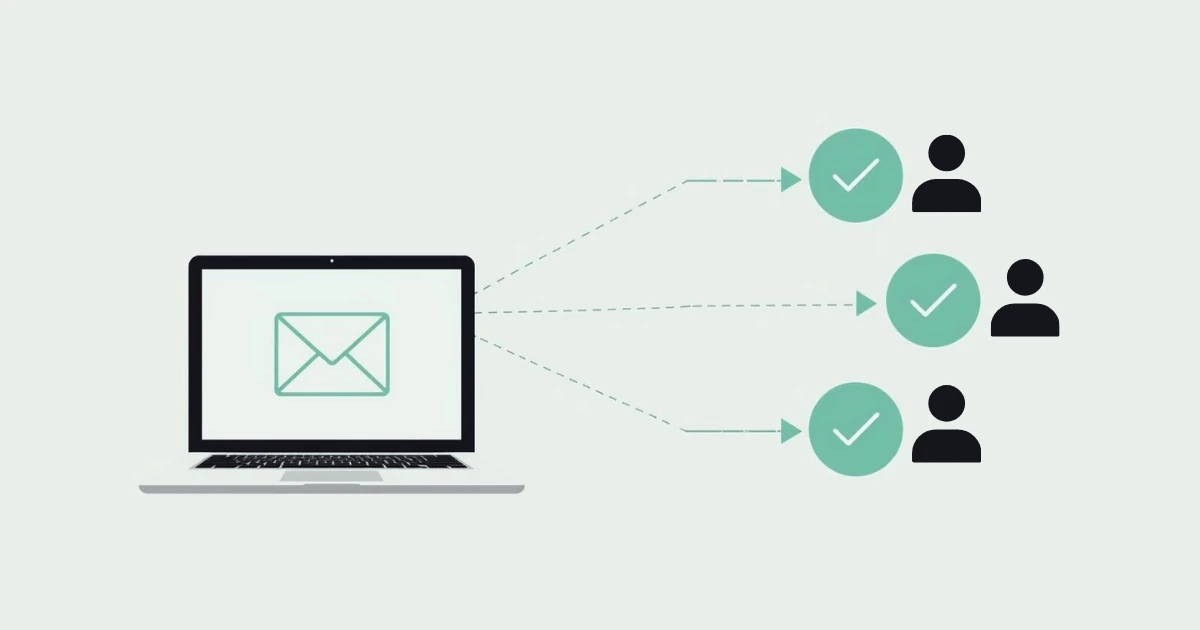
Get the complete investor outreach flow: exactly how to find the right connector, when to send the pitch, and the crucial cadence for following up when VCs go silent.